The Ledger
Editorial

Editorial

The Acquisition Manifesto

Chapter One

How to Build a Watch Collection Without Making Expensive Mistakes

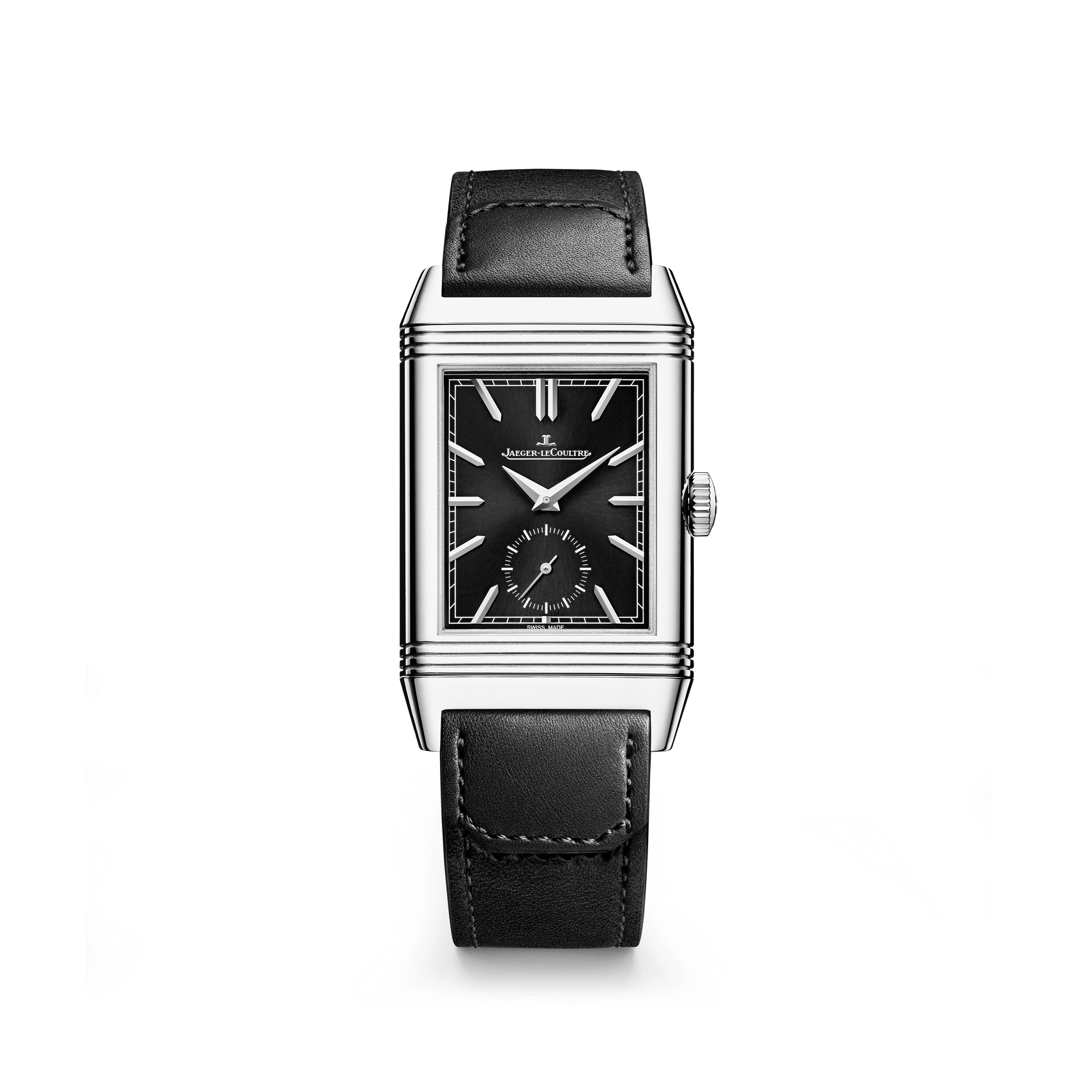
The authorised dealer relationship is the foundation of serious watch collecting. This is the first thing most first-time collectors misunderstand. They arrive at an authorised dealer with money and polite intentions, and leave without the watch they wanted. The reason is straightforward: allocation at the top end of the market is governed by purchase history. The boutique rewards loyalty. Building that history — buying pieces you genuinely want at successive price points — is the work of a serious collector, and the return is access.

For discontinued and highly sought-after references, the auction route is the most transparent path. Christie's, Phillips, and Sotheby's Geneva conduct specialist watch sales that attract the best-documented examples — full box and papers, service history, known ownership. The hammer price is public, which means you know exactly what the market is paying, rather than relying on a dealer's characterisation of current value. Bidder registration and due diligence are standard; these houses authenticate before the sale.

Authentication is not optional, regardless of the purchase channel. The counterfeit watch market operates at price points that overlap with genuine pre-owned examples; a convincing fake Lange movement may be priced at $20,000 rather than $500, because the manufacture quality now supports it. Any pre-owned purchase of significance should be accompanied by an independent authentication report from a recognised specialist — not an online service, not a dealer's in-house assessment.

On what to buy first: buy what you will wear. Collections assembled as investments look exactly like collections assembled as investments — they look like inventory, not like taste. The resale value of watches correlates most strongly with reference scarcity, case condition, and the presence of original box and papers. Buy full set, buy unworn or lightly worn, and keep everything. These are the only rules that compound.

Chapter Two

What Hotel Front Desks Do Not Advertise

The published rate is not the rate you pay if you understand how to ask. This is true at every property reviewed in this publication and at every comparable hotel in the world. The published rate communicates the floor. The actual rate — for the actual suite, with the actual service level — is a function of the relationship the hotel has with you, and relationships are built by the guest as much as the hotel.

At the major city properties — the Aman, the Rosewood, the Lanesborough — the rate structure rewards direct booking and guest history. A registered guest with three previous stays is treated materially differently from a first-time booking through a third-party platform. The upgrade priority, the restaurant reservation access, the suite availability — all of these are functions of the guest profile the hotel holds for you. The implication is simple: book direct, always, and do it under the same name.

For mountain properties — Badrutt's Palace, the better Cortina hotels — the booking dynamic is different. These properties are constrained by season rather than rate; availability in peak season is a function of when you ask, not how much you offer. The answer to "how do I get the best room in peak season" at a mountain hotel is: book twelve months ahead and do not wait for a better rate to appear.

The concierge relationship is the most undervalued resource in luxury travel. A great concierge — the kind who has been at the same property for fifteen years — carries access that no booking platform can replicate. Build that relationship early in the stay, maintain it with appropriate appreciation, and it will return value on every visit. The investment is not financial. It is attentiveness.

Chapter Three

The Secondary Market for Automobiles: What Depreciation Actually Looks Like

Luxury automobiles depreciate. This is not a sophisticated observation, but it is one that the industry conspires to obscure. The Rolls-Royce Spectre, priced at $420,000 new, will be available as a two-year-old example with 15,000 miles for substantially less. How much less depends on specification, condition, and the market's appetite at the time of sale — but the direction of travel is consistent for all but a small number of production-limited special editions.

The practical implication for the serious buyer is that the secondary market for luxury automobiles represents better value than the primary market for all but those who require the bespoke specification process or cannot wait. A Bentley Continental GT Speed in the $180,000–$220,000 range on the secondary market is the same car as a new $285,000 example in every respect that matters to driving it. The three-year depreciation curve has been paid by the previous owner.

The exceptions to this pattern are worth noting. Highly specified bespoke examples — Rolls-Royce Bespoke or Bentley Mulliner commissions with unusual combinations — sometimes hold value better than standard-specification examples because they are unrepeatable. Ferrari limited editions hold value and frequently appreciate. The Rolls-Royce Black Badge and Bentley Blackline editions hold value better than standard specifications. The general rule applies everywhere else.

“The most useful service we can provide is not enthusiasm but clarity.”

— The Ledger